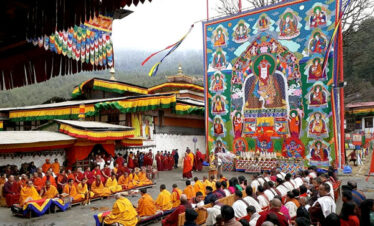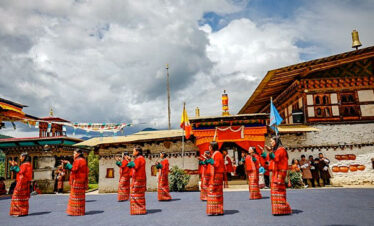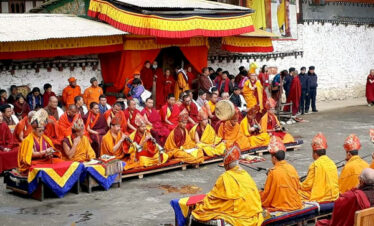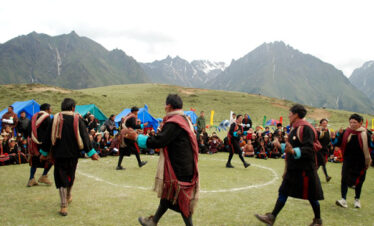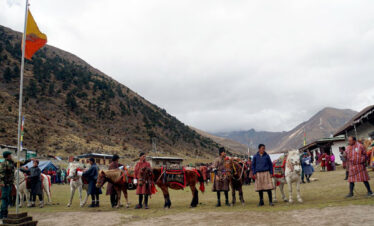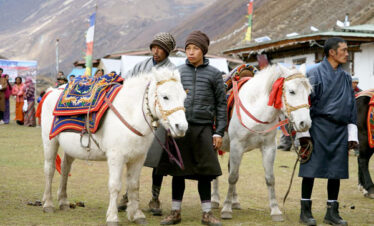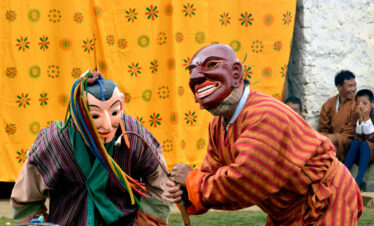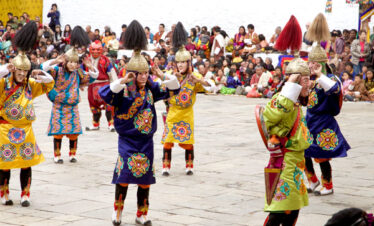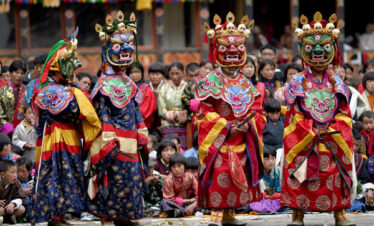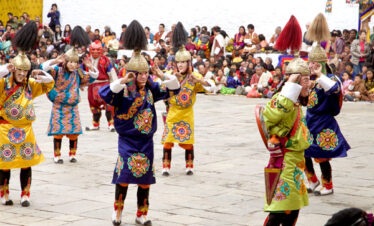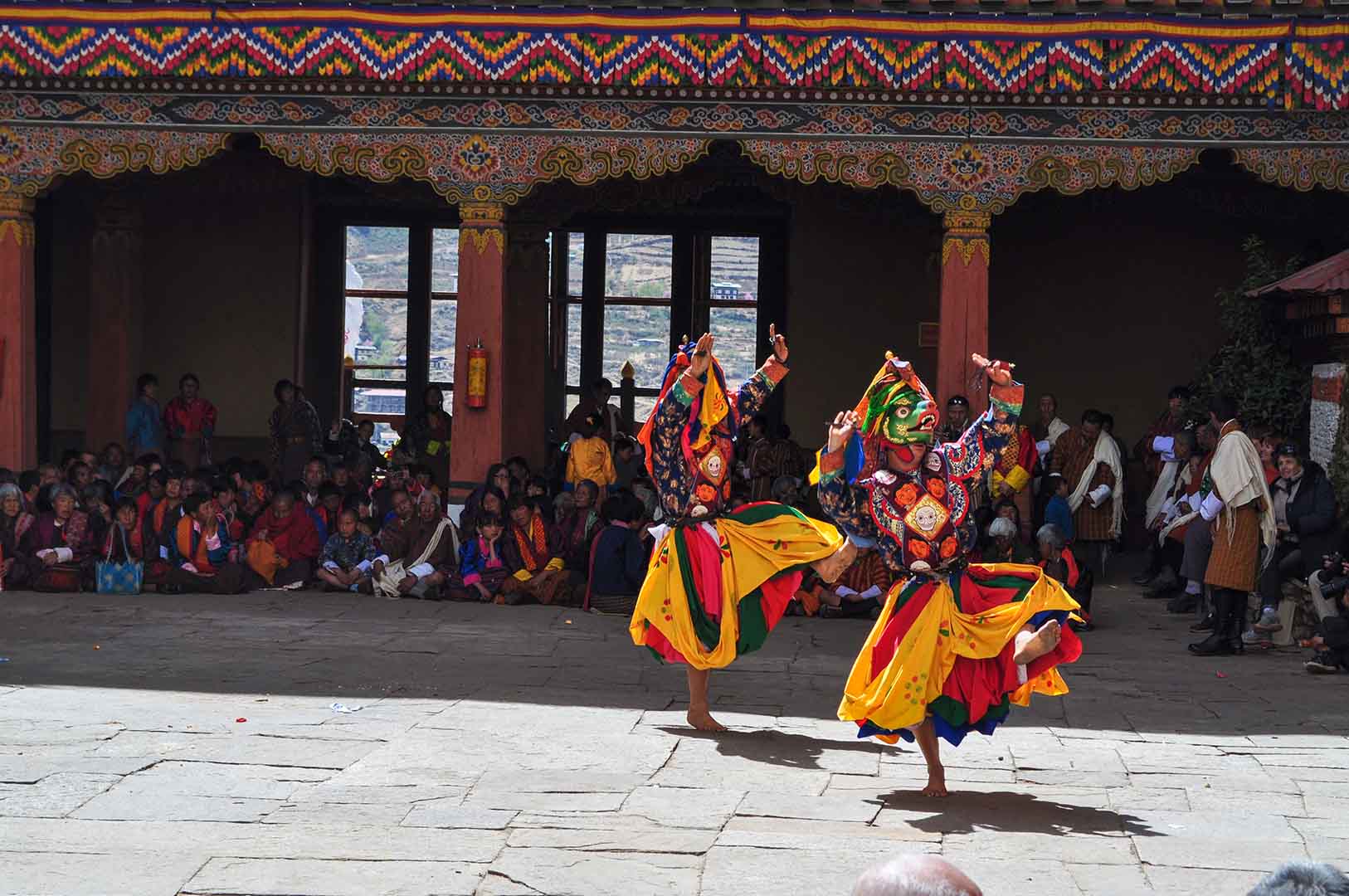
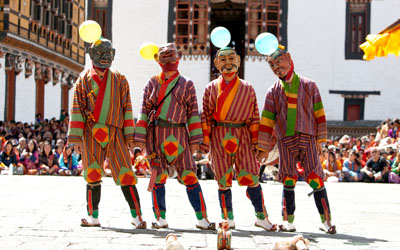
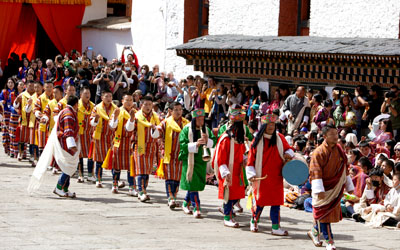
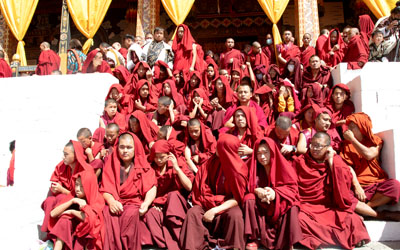
Kunega Gyeltshen, the first reincarnation of Jampel Dorji, established the Thimphu Drupchen Festival between 1705 and 1709, and it has an intriguing origin story. They dedicate Thimphu Tshechu, a vibrant festival, to the local deities. Initially, the festival took place over eight months of the Bhutanese calendar, and it was introduced during the reign of the fourth Desi Tenzin Rabgye (1638-1696).
Thimphu Drupchen Tour Cost
- Solo Traveller Cost: USD 2140
- 2 Pax Group Cost USD 1690.00 Per Person
- 3 to 4 Pax Group cost USD 1540 Per Person
Thimphu Drupchen Festival Tour-17th September 2026 Overview
Thimphu Drupchen Tour Itinerary
- Day 1 Arrival at Paro Airport | Altitude 2300M above sea level | Transfer to Thimphu | Distance 60KM | Driving time 1 hour | Altitude 2400M above sea level.
- Day 2 Thimphu City Tour, the only capital in the world without Traffic lights. Altitude 2400M.
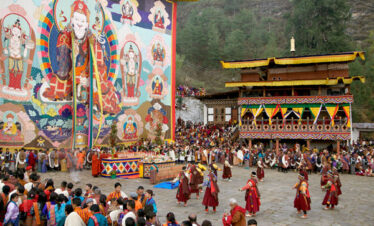
- Day 3: Attend Thimphu Drupchen. Altitude 2400M above sea level.
- Day 4: Thimphu to Punakha. Distance 72.8KM | Driving Time 2 Hours 7 Minutes | Altitude 1200M.
- Day 5 Punakha – Thimphu – Paro | Distance 115KM | Driving time 3 hours 10 minutes | Altitude 2300M above sea level.
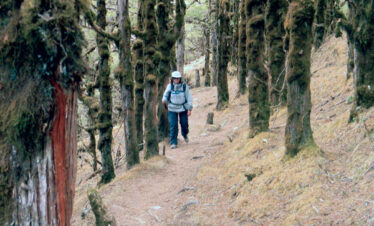
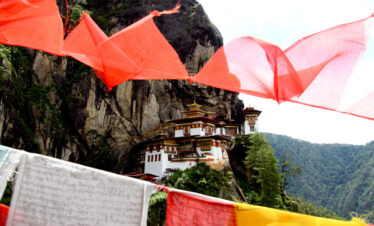
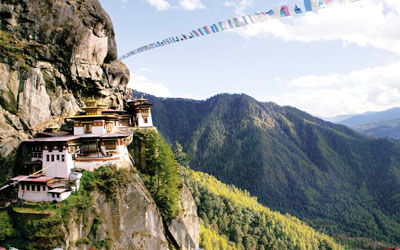
- Day 6 Paro Tiger Nest Hike. The charm of visiting Bhutan. Distance 15KM | Walking time 4 Hours.
- Day 7: See off from Paro Airport—altitude 2300M.
Similar Tours and Sights
- 12 Days Bhutan Tour
- Jambay Lhakhang Festival
- Paro Festival Tour
- Chorten Kora Festival
- Thimphu Festival
- Punakha Festival
- Bhutan Tour Package
- Chelela Pass in Paro
- Lunana Village in Gasa
- Bhutan Travel from India
Trip Highlights for Thimphu Drubchen
- Attend one day Thimphu Drupchen Festival
- Enjoy the most popular festival in the Capital
- Walk around the Thimphu town.
Thimphu Drupchen Itinerary
Thimphu Drupchen is 1 day event held at Tashichhodzong before the main Thimphu festival. Its a grant event organised by monk body.
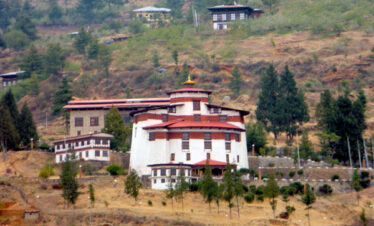
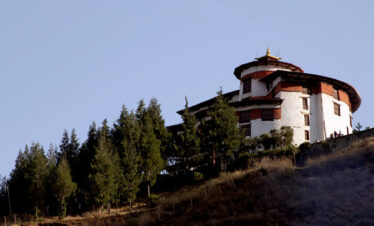
Arrive Paro. After immigration formalities, you will be received by our representative who will be your tour guide throughout your tour and drive you to Paro town and after lunch, visit the Ta Dzong Museum, which houses many religious relics, works of art, and handicrafts. This visit offers a great orientation into Bhutan’s historical, cultural, and religious past. Next, proceed to the Rinpung Dzong, where you can witness the painting of the great saint Milarepa. The Bhutanese consider him the master of meditation and believe he attained enlightenment in a lifetime.In the evening drive to Thimphu which will take you through Chunzom (confluence of Pachu- the river flowing through Paro valley & Wangchu –the river flowing through Thimphu valley). Dinner and overnight at hotel.
After Breakfast visit Bhutan Postal Museum, the museum tells the story of Bhutan’s progress and development through the evolution of communications and postal system in the country. Visit National Textile Museum which is a good place to see the art of traditional weaving being kept alive and preserved through exhibition and has a good collection of old textiles which are rich in colors and designs. You will also see people weaving with intricate designs and visit National Institute of Traditional Medicine (outside only), where medicinal herbs are compounded and dispensed, and traditional medical practitioners trained. Later visit The School of Traditional Painting of Arts and Crafts where students undertake a six-year course on the 13 traditional arts and crafts of Bhutan. Later visit to Folk Heritage Museum or Simply Bhutan– A living museum of rural life which provides visitors and tourists with fascinating insights into the Bhutanese material culture and way of life.
Dinner & overnight at a hotel in Thimphu.
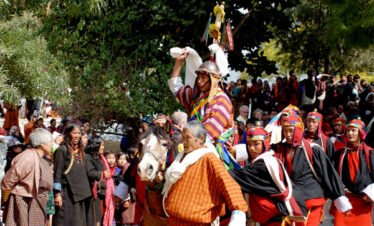
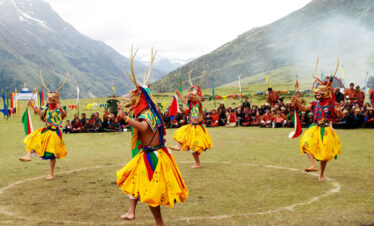
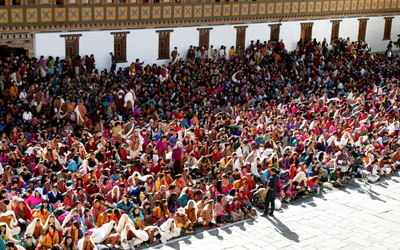
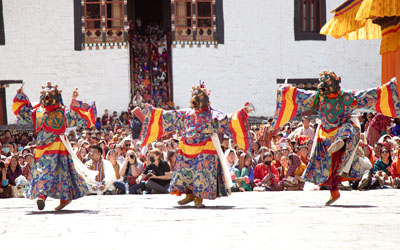
After breakfast you will go to witness Thimphu Dromchoe (Festival) which will be held at the Courtyard of Tashichhoedzong. The sacred dances would be performed which are dedicated to the chief protective deity of Bhutan, Palden Lhamo. Legend has it, that the deity Pelden Lhamo appeared before Kuenga Gyeltshen (chief abbot of Bhutan) and performed the dances while he was in meditation. Based on these dances, Kuenga Gyaltshen initiated the Dromchoe. These religious dances are interspersed with folk songs and clowning. The festival is a magnificent cacophony of sound and colour and a photographer’s delight.
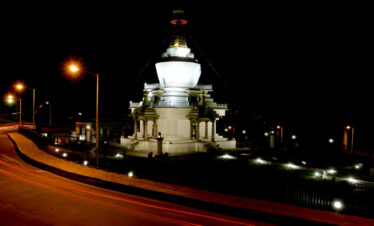
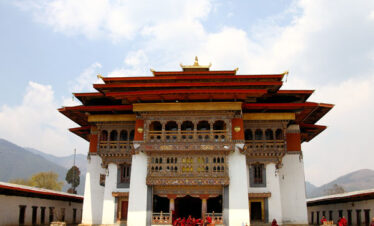
You also visit the interior of Tashichhoe Dzong, a fortress of the glorious religion. It was built in 1641 by Zhabdrung Ngawang Namgyel and was reconstructed into present structure by the late King, His majesty Jigme Dorji Wangchuck in the year 1962-1969. It houses the secretariat building, the throne room and the office of the king, and the central monk body. After the festival you will visit Takin Preserve, which houses the national animal "the Takin" that is only found in Bhutan followed by a visit largest Bhudha statue overlooking thimphu valley and memorial chorten. In the evening visit Changyul Park and explore Thimphu city on your own. Dinner and overnight at a hotel.
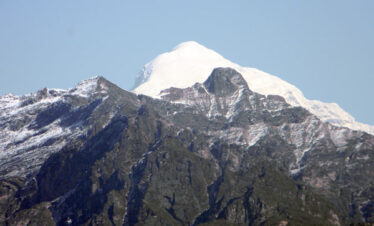
Drive over the Dochu-La pass (3,100 meters), which, on a clear day, offers an incredible view of Himalayan peaks. This scenic journey takes approximately three hours and descends into the balmy Punakha valley. As you traverse the countryside, you gain a glimpse into the everyday life of this remote Himalayan kingdom. Moreover, in the Dochu-La area, you will be surrounded by vast Rhododendron forests. It transform into majestic trees and bloom with vibrant colors in late April and early May, creating a spectacular display of springtime beauty.
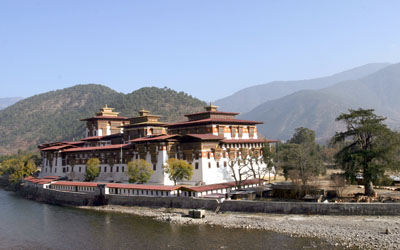
Upon arrival, your first stop is Punakha Dzong, known as the “Palace of Great Happiness.” It serves as the winter headquarters for the Je Khenpo and hundreds of monks who migrate from Thimphu to this warmer location. The three-story main temple within Punakha Dzong is a breathtaking example of traditional design. It features four intricately embossed entrance pillars made from cypress and adorned with gold and silver. Notably, it was within these sacred walls that Bhutan’s first king was crowned in 1907.Dinner and over night in the hotel.
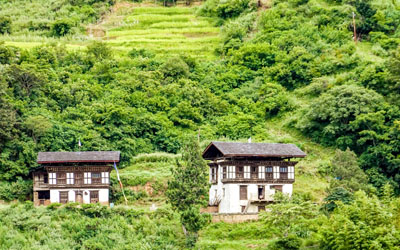
In the morning, embark on a scenic drive to Yabesa village, where you’ll be treated to a delightful hike amidst the captivating rice fields. As you make your way up, the trail leads you to the magnificent Khamsum Yueley Namgyal Chorten. This architectural gem was masterfully crafted by her majesty Queen Ashi Tshering Yangdon Wangchuk and sits proudly atop a hill overlooking the river. Inside the Chorten, you’ll discover a remarkable collection of paintings that belong to the revered Nyingmapa Traditions.
If your visit to Thimphu coincides with the weekend, make sure to take a leisurely stroll through the bustling Thimphu Market. This vibrant hub showcases an array of Bhutanese culinary delights, including baskets overflowing with fiery chilies, delectable fresh cheese, and an assortment of vibrant greens. It’s a sensory experience that captures the essence of Bhutan’s food culture.
As the day draws to a close, you’ll return to Paro, where your hotel awaits. Enjoy a restful overnight stay, cherishing the memories of the day’s adventures.
Prepare yourself for a truly remarkable experience as you venture forth to Taktsang Monastery. The temple is the testament to Bhutan’s rich spiritual heritage and natural grandeur.
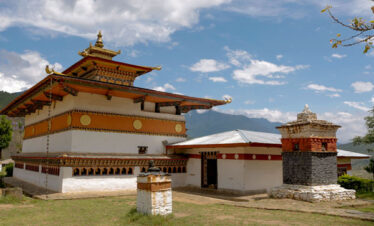
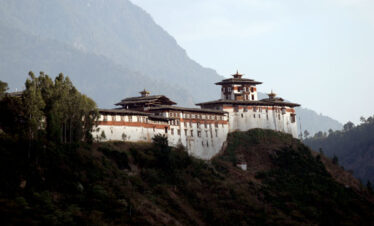
In the afternoon drive to 17th Century Drukgyel Dzong, a historic monument built by the Zhabdrung to commemorate his victory against invading Tibetans in 1644. In fine weather, the towering peak of the sacred Mount Jomolhari (7314m) appears as a stunning backdrop. On the return drive to Paro, visit 7th Century Kyichu Lhakhang, one of the 108 temples constructed by the Tibetan king Songtsen Gampo.
Alternatively, you could spend day 6 on a day trip to the Haa Valley. The valley is one of the most picturesque districts in Bhutan. You can reach the Haa Valley via the beautiful Chelila Pass. It is characterized by its surrounding rugged and mountainous terrain. You will overnight at your hotel in Paro.
Your Thimphu Festival Tour in Bhutan ends today. Our guide and driver will drop you at the airport and see you off. Tashi Delek! Best wishes!
Inclusion / Exclusion
Inclusion
- All Meals [Breakfast /Lunch/Dinner]
- Accommodation in 3 Star
- All transportation within the country including airport transfers.
- Sustainable Development Fees
- Entrance fees for Museums and Monuments only
- Visa Fee.
- Proffessional English speaking Guide.
- All Sightseeing in the country.
Exclusion
- Druk Air fare OR DOMESTIC TICKETS
- Insurance Premiums
- Payments for service provided on a personal basis
- Cost for any services not mentioned in the "Cost Include head"
- Cost incurred due to mishaps, strikes, political unrest etc.
- Personal expense in items such as laundry, soft drinks, Camera Charges, Bottle water, incidentals, Portage, Bellboy charges tips or any other services
FAQs
- Hotel Tara Phendiling
- Hotel RKPO
- Hotel Dewachen
Thimphu Drupchen is a sacred festival commemorating the divine intervention of Yeshey Gonpo (Mahakala) in defending Bhutan from Tibetan invaders in the 17th century. It is an important display of Bhutanese spiritual tradition and cultural heritage.
The festival takes place in the courtyard of Tashichho Dzong, the fortress monastery in Thimphu, which houses the king’s office and central monastic body.
Yes, Thimphu Drupchen is a prelude to Thimphu Tshechu. Drupchen is more focused on religious rituals and the appeasement of deities, while Tshechu is a larger public event with mask dances and festivities.
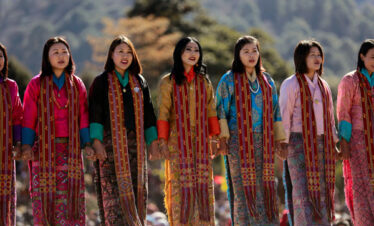
Bhutanese citizens wear their national dress (gho for men, kira for women). Visitors are encouraged to dress modestly and respectfully, covering their shoulders and legs, and avoiding casual or revealing clothing.
Visitors are usually allowed to take photos of the dances, but photography might be restricted in certain areas, particularly during religious rites. It’s always best to ask for permission before taking photos.
Hotels Used for Thimphu Drupchen
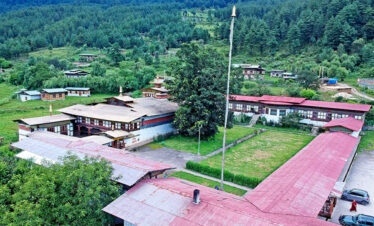
During the 7-day Thimphu Drupchen tour, you will explore key destinations such as Thimphu, Punakha, and Paro. We provide our guests with the best 3-star hotel accommodations for a comfortable stay.
Below are some recommended 3-star hotels for your reference:
Thimphu Hotel Tara Phendeyling
Punakha Zhingkham Resort
Paro Rema Resort